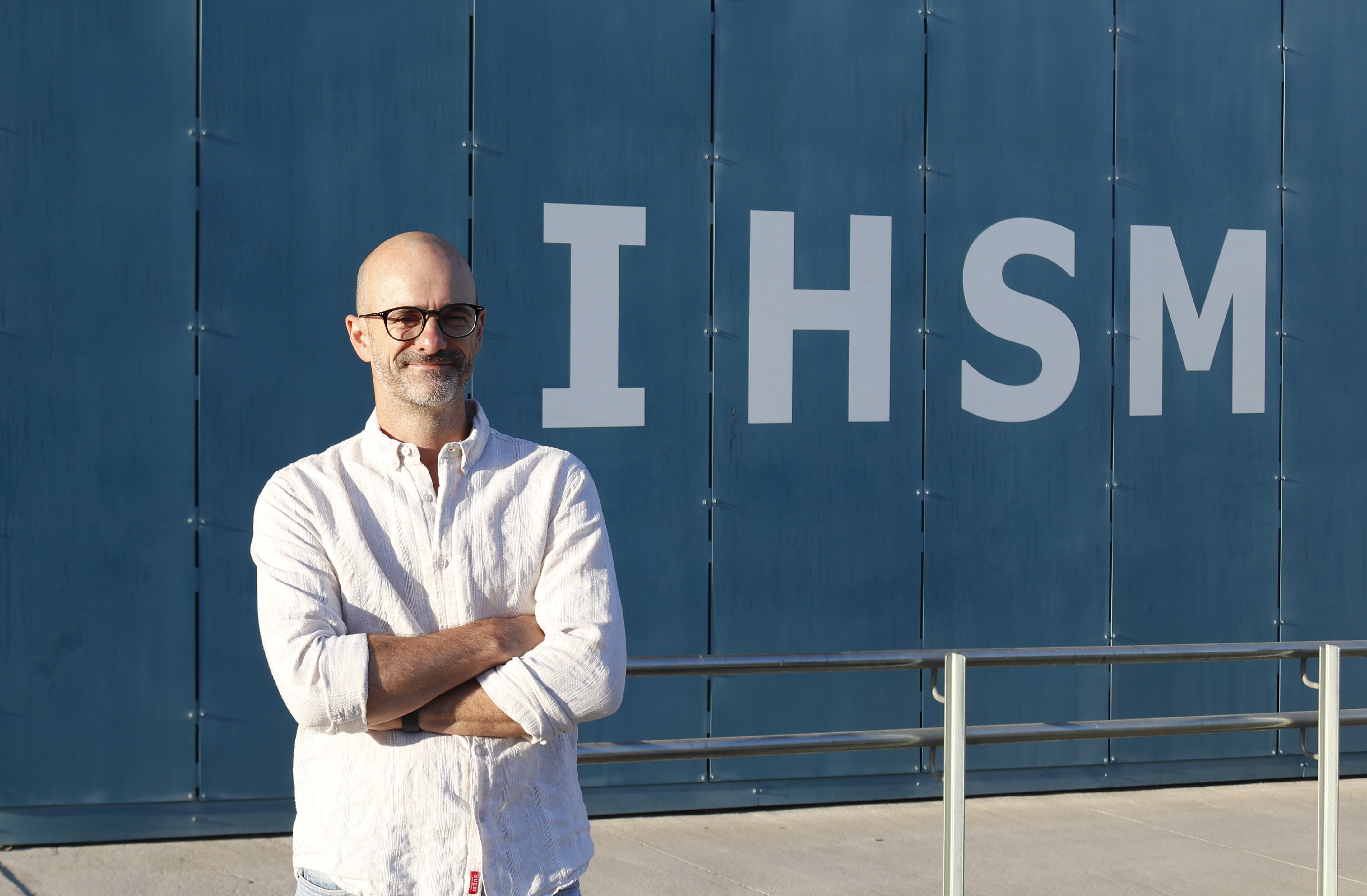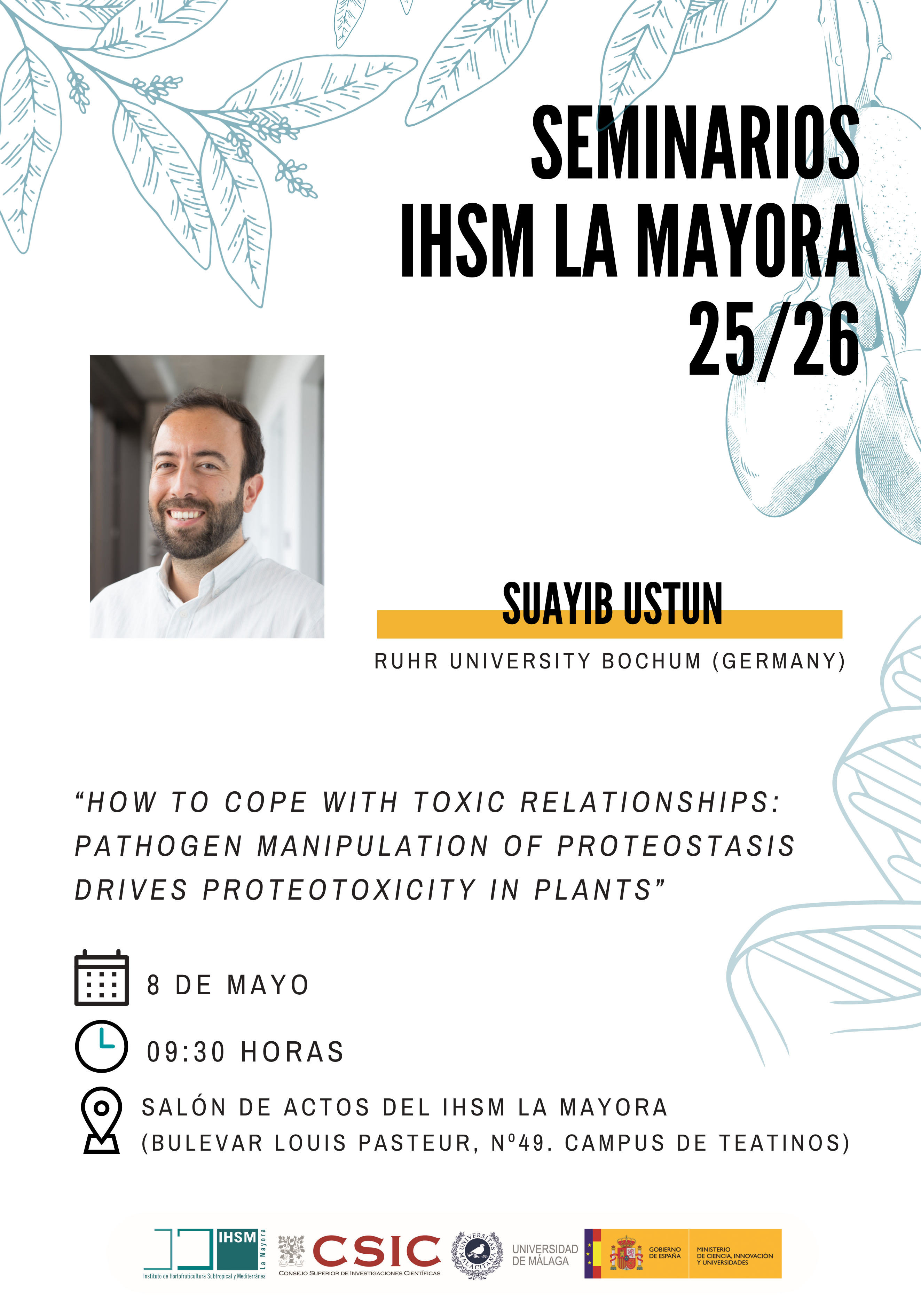
Seminarios IHSM La Mayora - Suayib Ustun (Ruhr University Bochum, Germany)
Protein homeostasis, also known as proteostasis, refers to the balance between protein synthesis and regulated degradation. This delicate equilibrium is carefully maintained in all organisms to adapt to various environmental stimuli. Perturbations in the interplay between protein synthesis and degradation can lead to an altered balance and hence negatively impact stress responses causing proteotoxicity. Proteotoxic stress is characterized by the accumulation of abnormal proteins, which can cause irreversible cellular damage. Such disruptions can be triggered by various factors, including aging, pathological conditions like Parkinson's and Alzheimer's diseases, infections by pathogens, or changing environmental conditions, such as heat stress due to climate change. To mitigate the harmful effects of excessive proteotoxic stress, cells utilize various protein quality control mechanisms, including the ubiquitin-proteasome system and autophagy. To date, it is still not well understood, which factors regulate proteotoxic stress upstream of protein quality machineries and how they would contribute to pathogenic infections or other stress conditions. We have utilized different strategies to decipher novel components of protein quality machineries and regulators of proteotoxic stress. In my presentation, I will introduce our recent work on how pathogens manipulate proteostasis and which plant components are required to cope with proteotoxicity. Through this, I aim to underscore how our utilization of pathogens as molecular tools has facilitated the discovery of regulators of proteotoxicity across diverse environmental and developmental contexts.